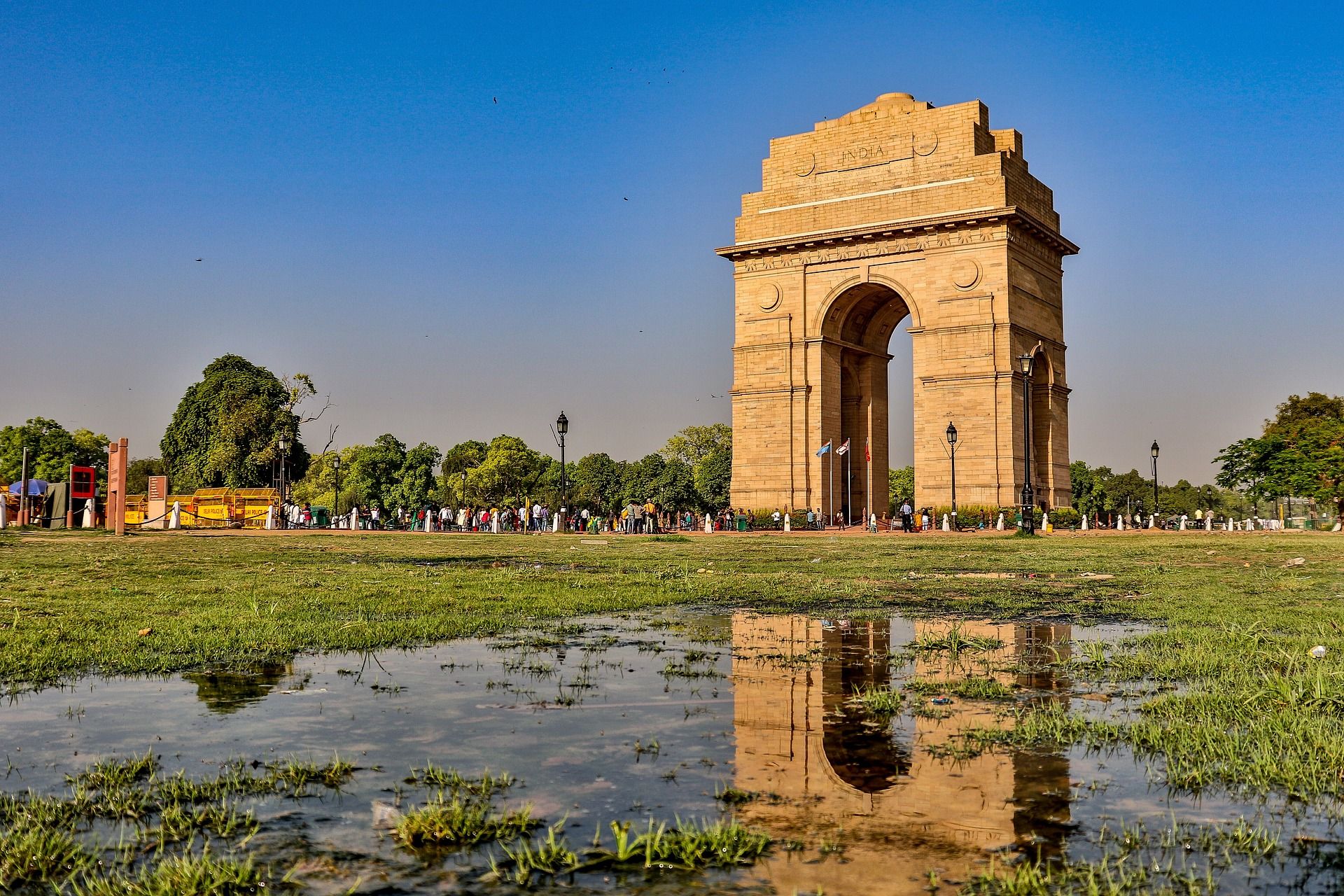
Arrive in Delhi and attend a briefing at IMF
- We will greet you at Delhi international airport and drive you to your hotel. Afterwards, we will go to the IMF to get our climbing permit and meet our Liaison Officer. We can also visit the mountaineering museum in the same building.
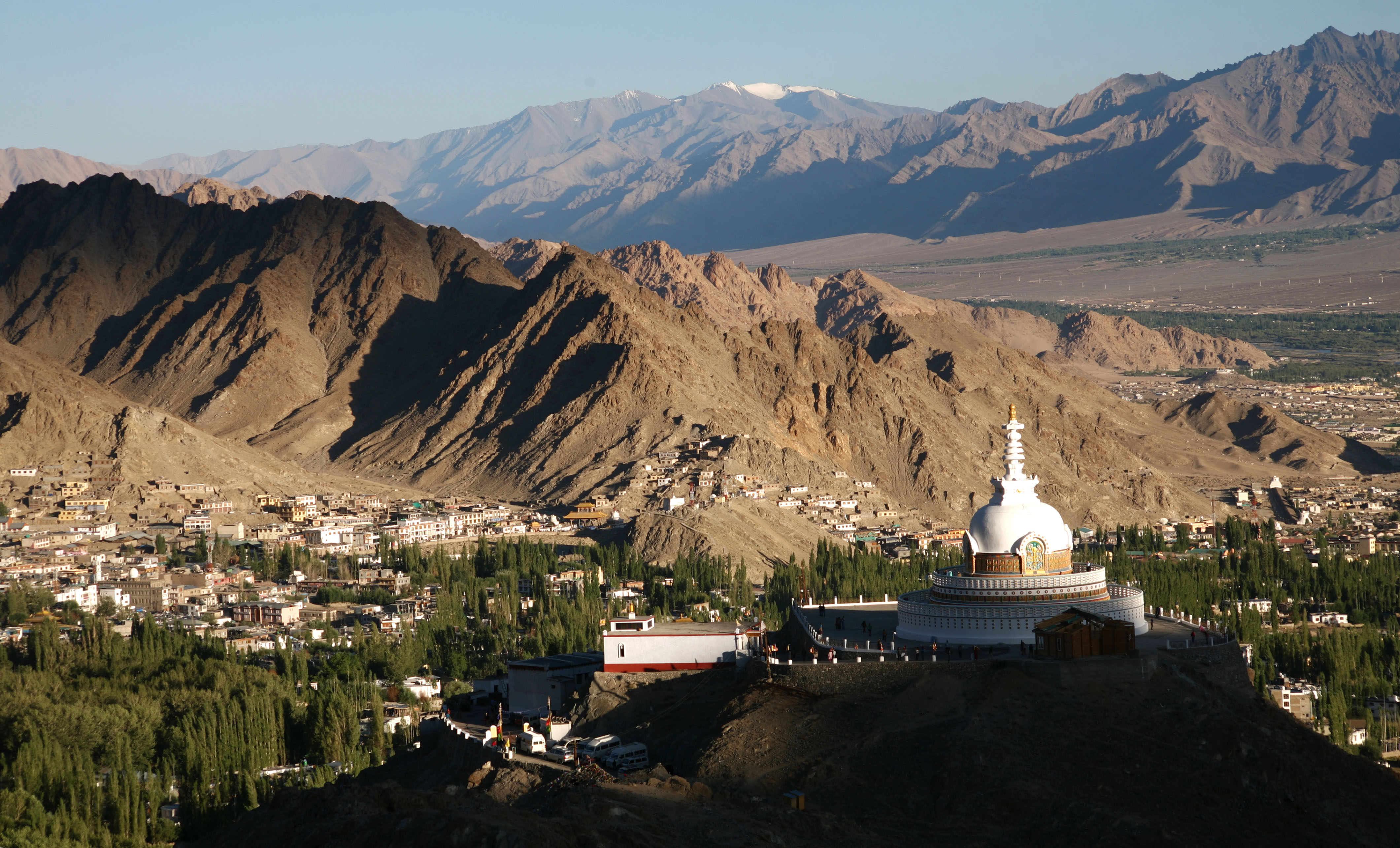
Fly from Delhi to Leh (3,500m / 11,483ft), the capital of Ladakh
- Your early morning 75-minute flight to Leh over the Himalayas will be one of the most picturesque flights you’ll ever experience. On the Northern horizon, you will see K2 (8,611m / 28,251ft), the world's second-highest peak, and other 8000m+ giants of the Karakoram Range. If you sit on the plane's left side, you will see Nun (7,135m / 23,409ft) and Kun (7,077m / 23,219ft), the two highest mountains in Ladakh.
- We will greet you at Leh airport and drive you to your accommodation.
Acclimatisation and guided tour to Hemis Monastery and Thiksey Monastery
- Ladakh is the only place besides Tibet where almost all the major sects of Tibetan Buddhism still exist. You will see architecture and a lifestyle similar to Central Tibetan traditions and visit Hemis Monastery and Thiksey Monastery.
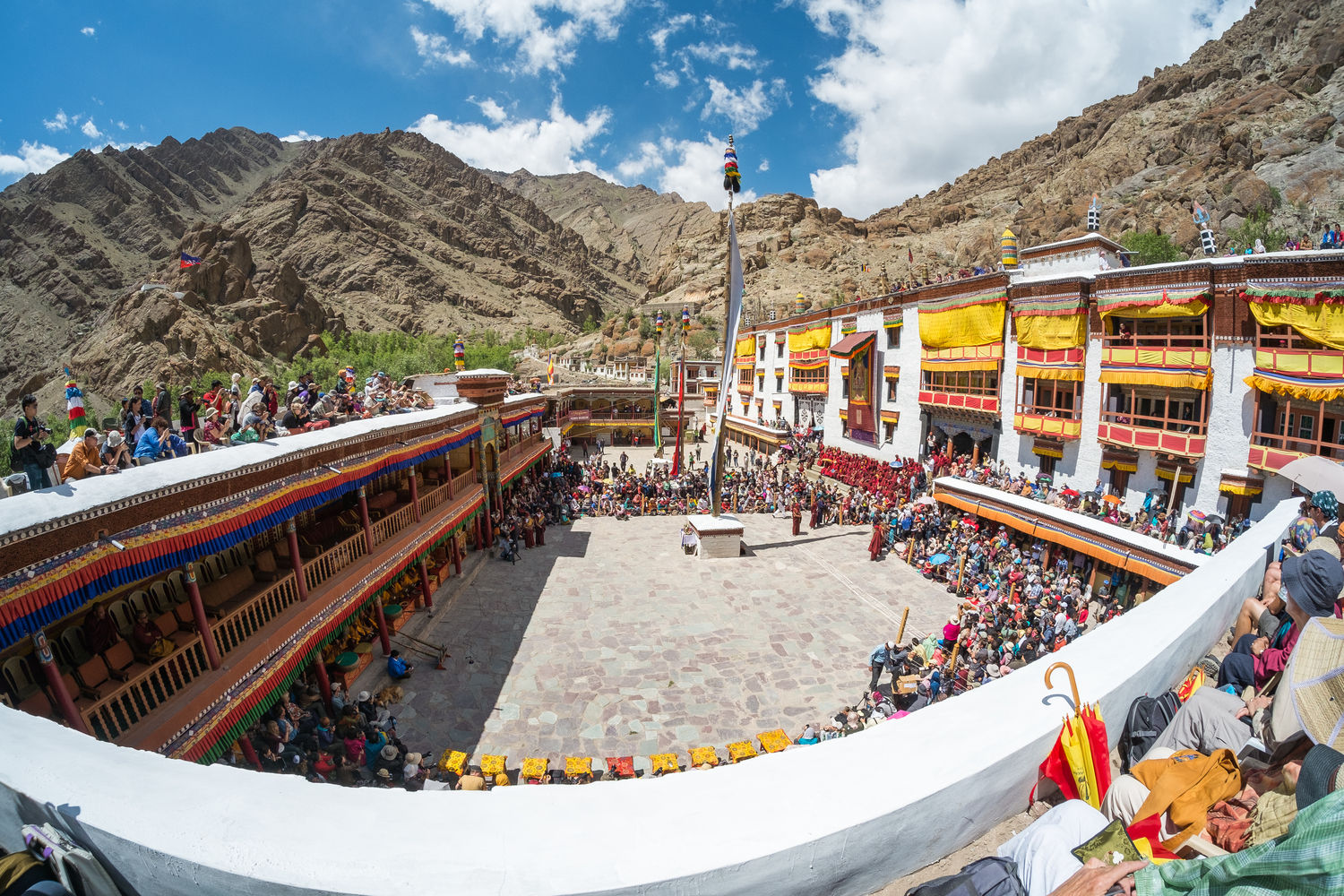
- Hemis Monastery, belonging to the Drukpa Kagyu sect, is the largest Tibetan Buddhist monastery in Ladakh. It was first built in the 11th century. Stories of Kalachakra and the Lords of the Four Quarters are etched on the walls of its ancient corridors. There are golden statues, precious stones and a library with Tibetan books, relics and manuscripts.
- The Hemis Festival is a dazzling celebration of the birth of the Buddhist Guru Rinpoche. The Chham Dance (masked dance by the monks) should not be missed at Hemis Monastery.
- Thiksey Monastery, belonging to the Gelugpa sect, is 12 stories high. It has ten temples, showcases stunning Ladakhi architecture, a 15m high statue of Maitreya (future Buddha), fierce paintings and statues of deities and other Tibetan Buddhism artefacts.
Drive to Rumtse (2-3 hrs) (4240m), trek to Rumtse Phu (2-3 hrs) (4750m):
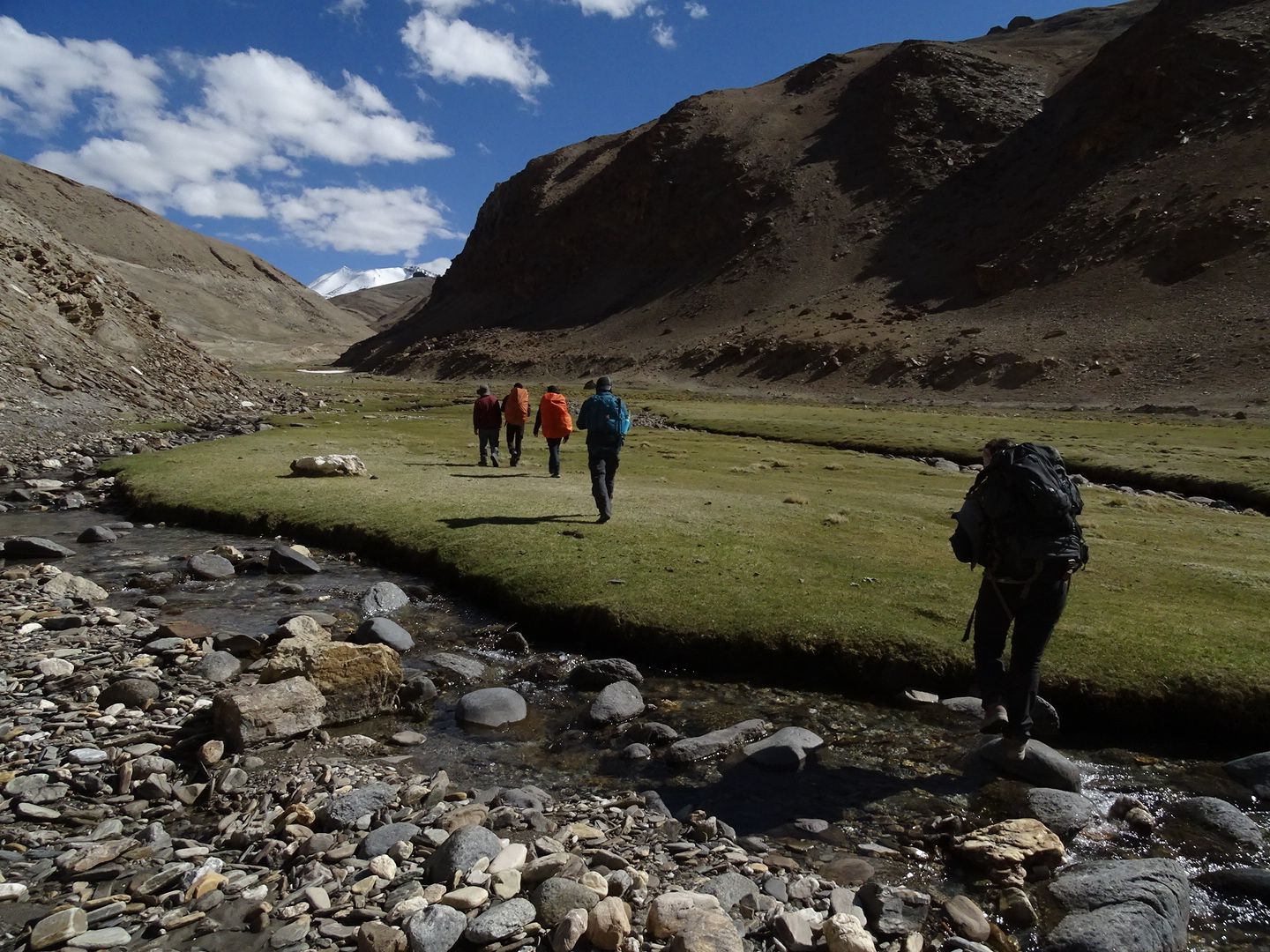
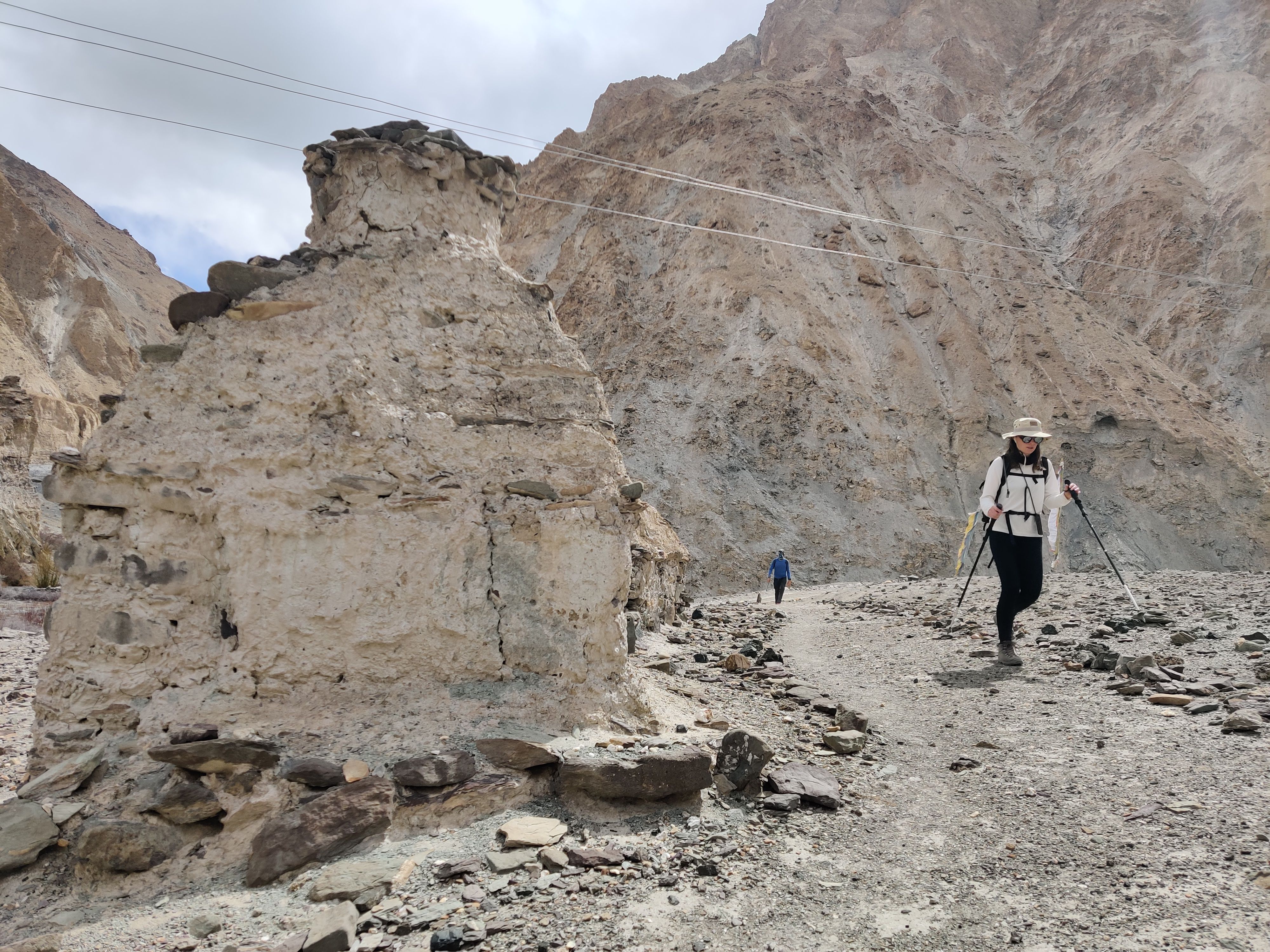
- Start in the morning for Rumtse Phu, which is driven by the banks of the Kyamar river.
- Cross some of the ancient monasteries like Thiksey and Stakna which is built aside of the Indus river
- Enjoy the less-explored pastureland of Rumtse Phu.
- Get the chance to meet some of the wild animals like Yak and Shepherds who takes their animals for grazing.
- Enjoy the trek to Rumtse Phu with a mesmerising landscape view throughout the trek.
- Overnight stay at camp in Rumtse Phu
Rumtse Phu to Base camp (5300m):
- Trek to base camp which is an ascent trek
- Enjoy the views of unclimbed peaks and green pastureland
- Post Lunch, practise types of rope knots, rope packing and warm-ups
- Base camp acclimatisation walk in the evening
- Overnight stay at camp in Base camp
Introduction to mountaineering types of equipment and practice:
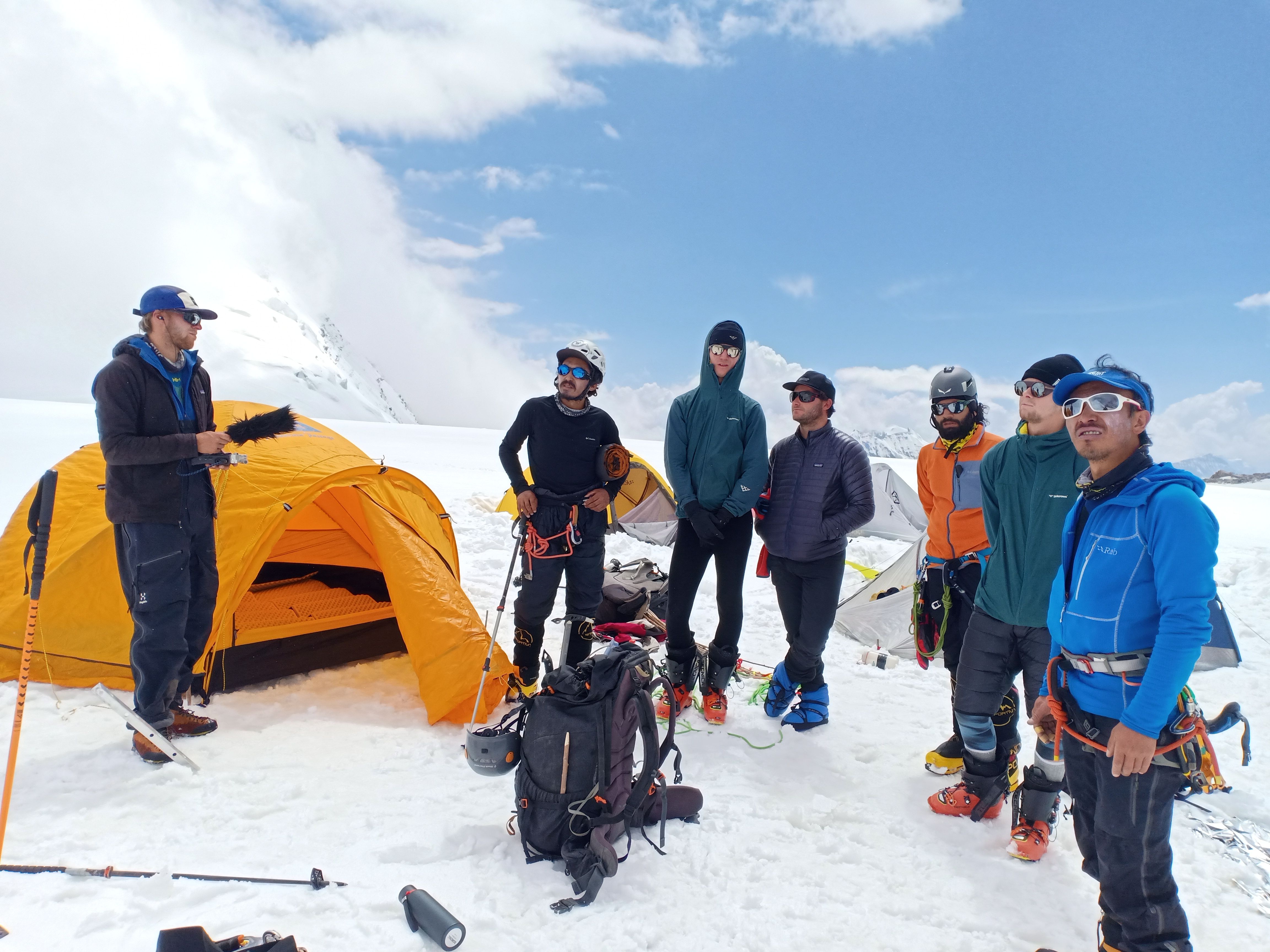
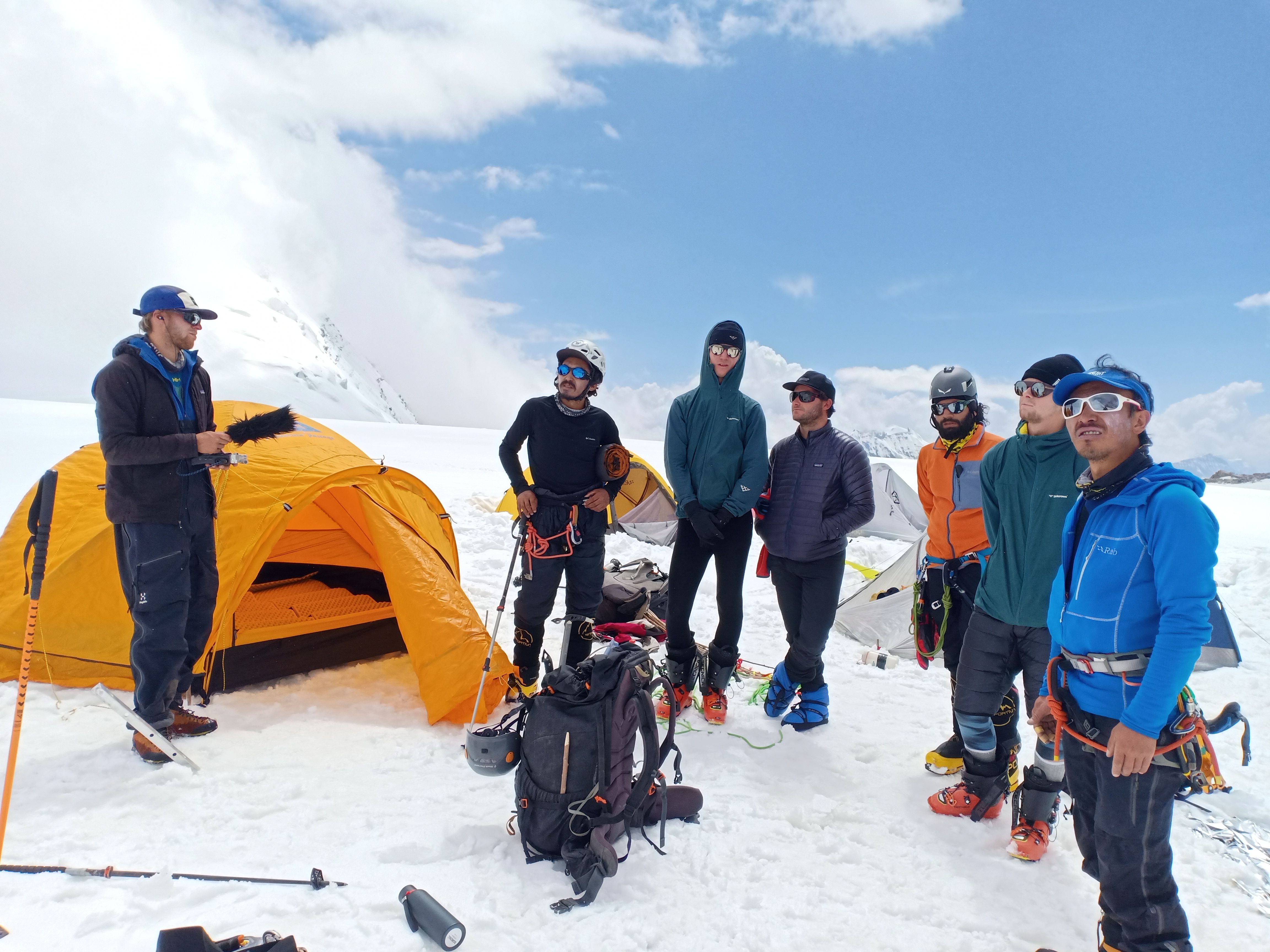
- You will be introduced to mountaineering equipment and its applications.
- Climb ascent to low height mountains with certified expedition leader
- Practise various climbing techniques Rappelling and Jumaring, self-rescue techniques, etc
- Overnight stay at camp in Base camp
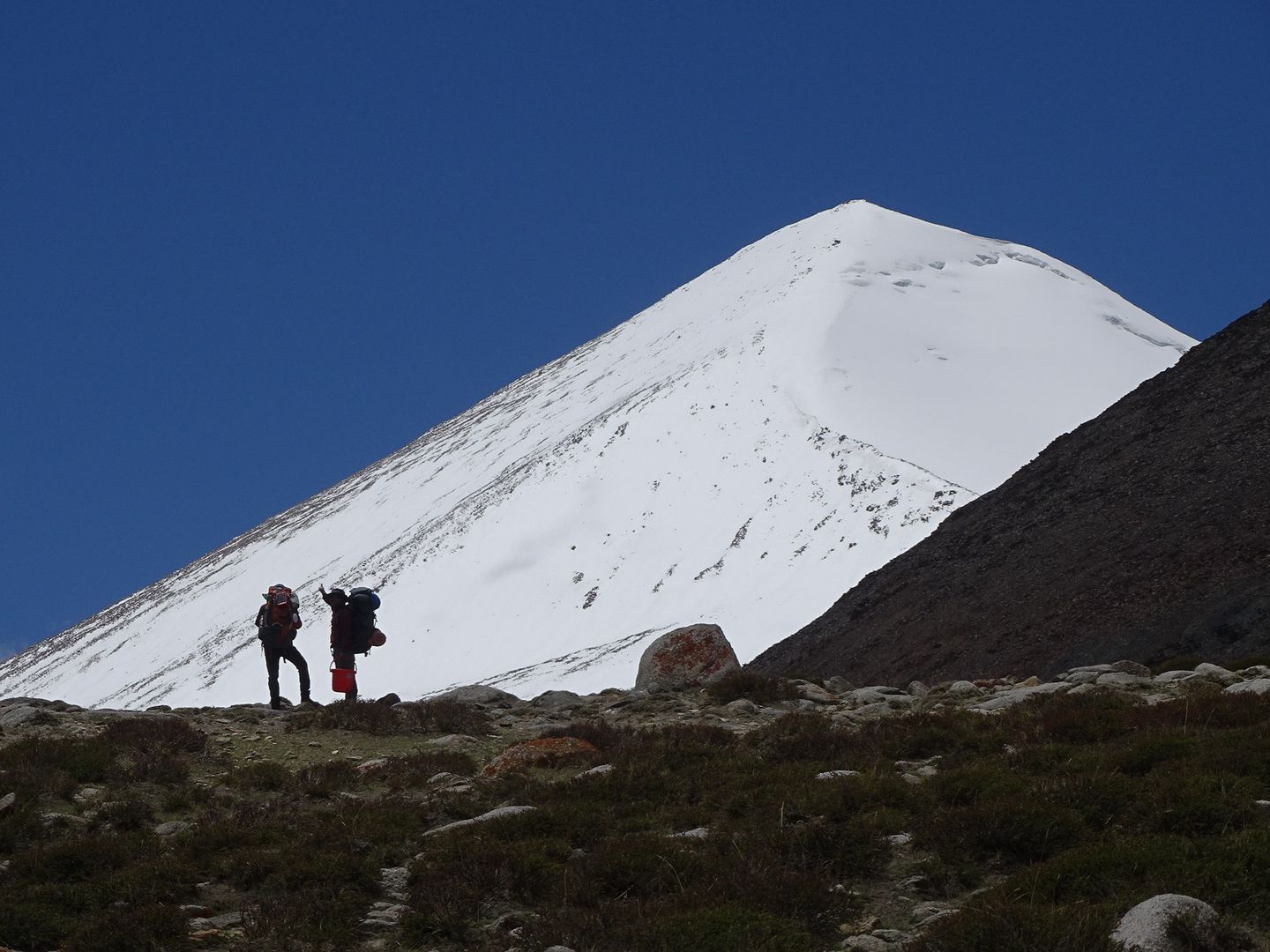
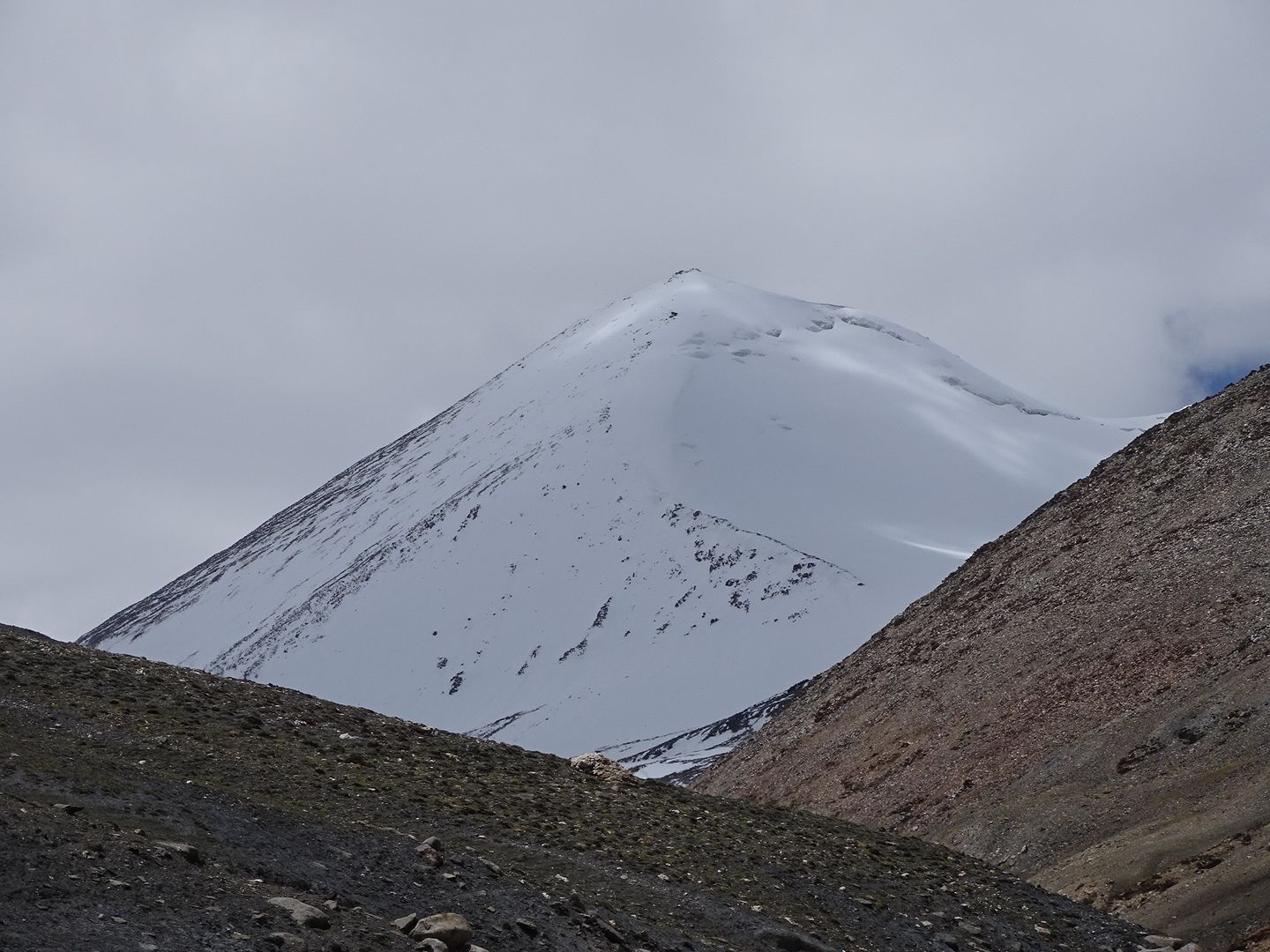
Summit push to UT Kangri (6100m):
- Early morning summit push towards UT Kangri
- During the climb, you will find the terrain changing to loose scree and moraine.
- Depending on the condition of the weather and the distance we have covered during the early morning trek, we will reach the summit of the U.T Kangri post morning. It will take us about 8-9 hours to make a complete round trip to the summit.
- After a tedious climb to the summit and back, you will spend the rest of the day resting in the base camp.
- Overnight stay at camp in Base camp
Base camp to Rumtse Phu and back to Leh:
- The local team will pick you up from the Rumtse Phu, and drive to Hemis Monastery
- At times the road to Hemis gets blocked, in these situations, you will take a short hike to Hemis on the jeep track. The Hemis monastery is the largest and richest monastery in Ladakh.
- The Monastery was built in the 17th century and is located in the Indus Valley
- It boasts of a spectacular copper statue of Buddha and beautiful paintings, Stupas, articles, and amazing Thangkas depicting various aspects of Buddhist culture
- In the month of June - July you can experience the Hemis festival, a riot of colors and fiesta. During the festival, you can enjoy the Chham Dance or the Mask Dance of Ladakh
- After spending some time in Hemis Monastery, start your return journey to Leh which will take about an hour.
- Overnight at a hotel in Leh.
Drive from Leh to Alchi Monastery, Lamayuru Monastery and Kargil (2,676m/8,780ft)
- Much of our time will be spent driving to Kargil. At Lamayuru, there is a spectacular landscape that has been compared to our moon’s surface. We may visit Alchi Monastery and Lamayuru Monastery on the way to Kargil.
- Located on the South bank of the Indus River, Alchi Monastery is said to be built between 958 AD and 1055 AD. Alchi Monastery belongs to the Gelugpa sect and contains some of the oldest surviving paintings of Buddhism and Hindu Kings. It also contains huge statues of the Buddha and elaborate wood carvings and artwork.
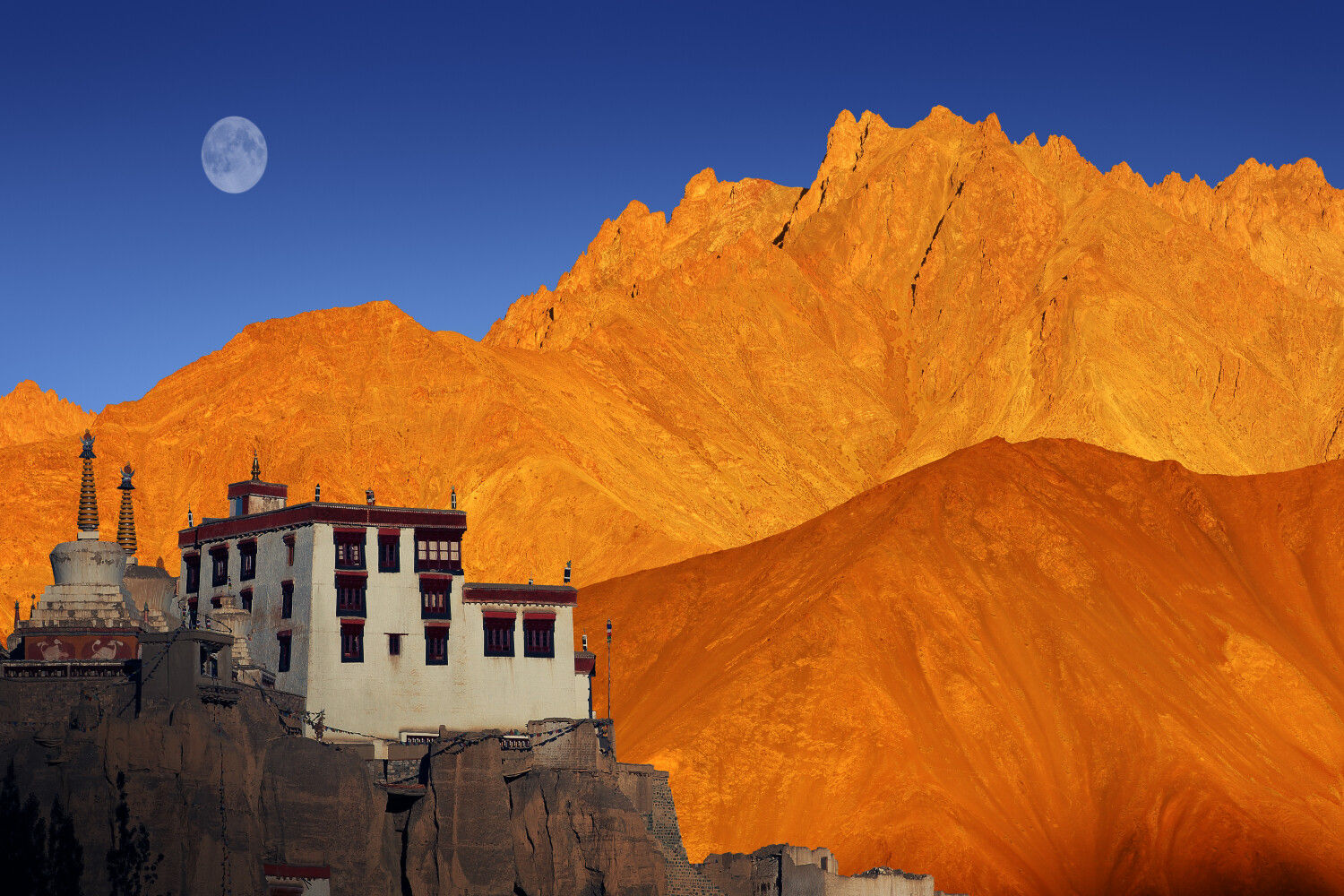
- Lamayuru Monastery, belonging to the Drikung Kagyu sect, is one of the largest and oldest monasteries in Ladakh, dating back to the 10th century. The monastery houses a rich collection of artefacts, wall paintings, statues and carpets.
Drive from Kargil to Tangol (3,700m / 12,139ft, 3-4 hours)
- From Kargil, we will drive alongside the Suru River to reach Tangol. Today, we will see Kun and Nun for the first time. Sort and distribute equipment in the evening.
Trek to base camp (4,500m/14,764ft, 6 hours)
- After a good early morning breakfast, we hike to Nun Base Camp.
Rest and sort gear at Base Camp
- Today we will prepare the equipment, gear and food for the climb.
Day 13 – 22: climbing days (including rest days and days for contingencies)
- Base camp (4,500m / 14,763ft) to Camp 1 (5,500m / 18,045ft, 5-6 hours)
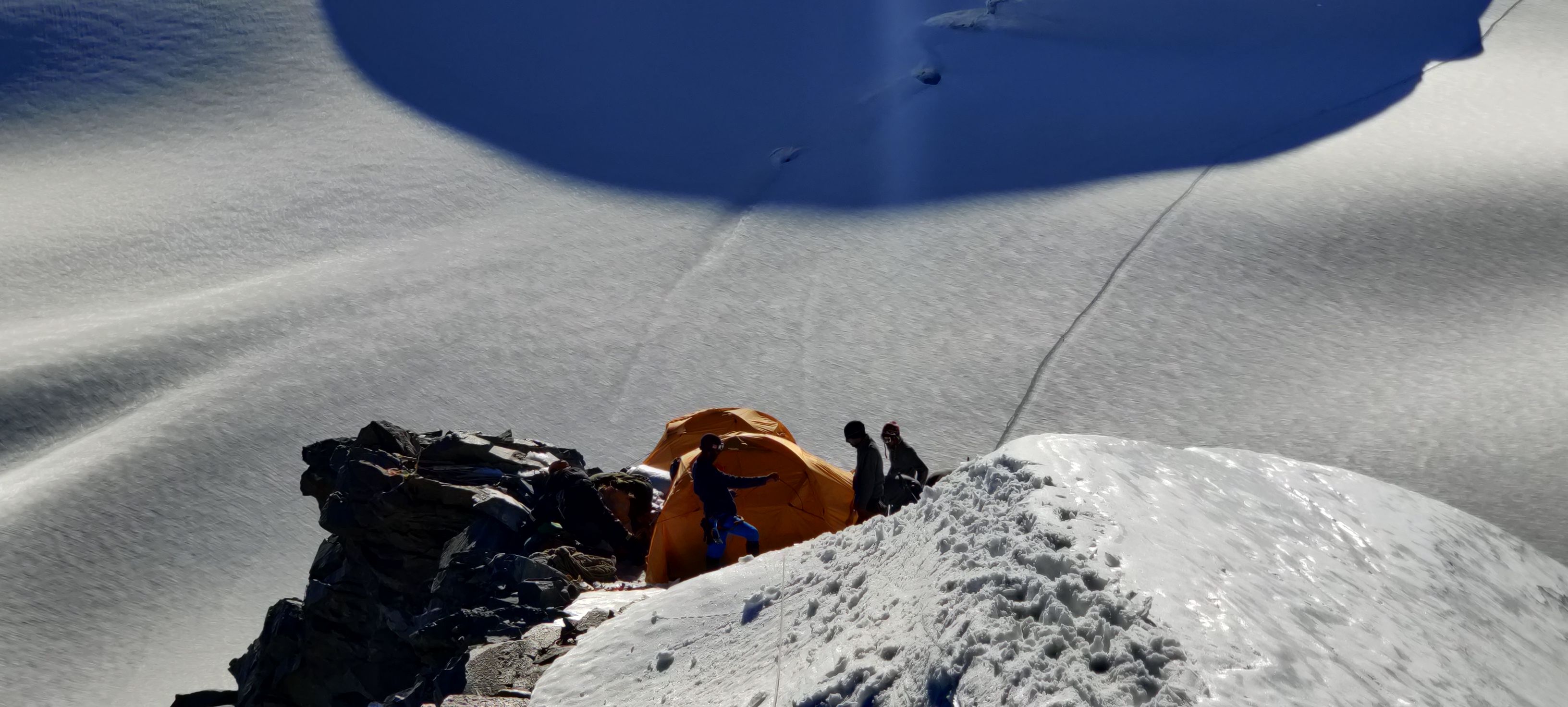
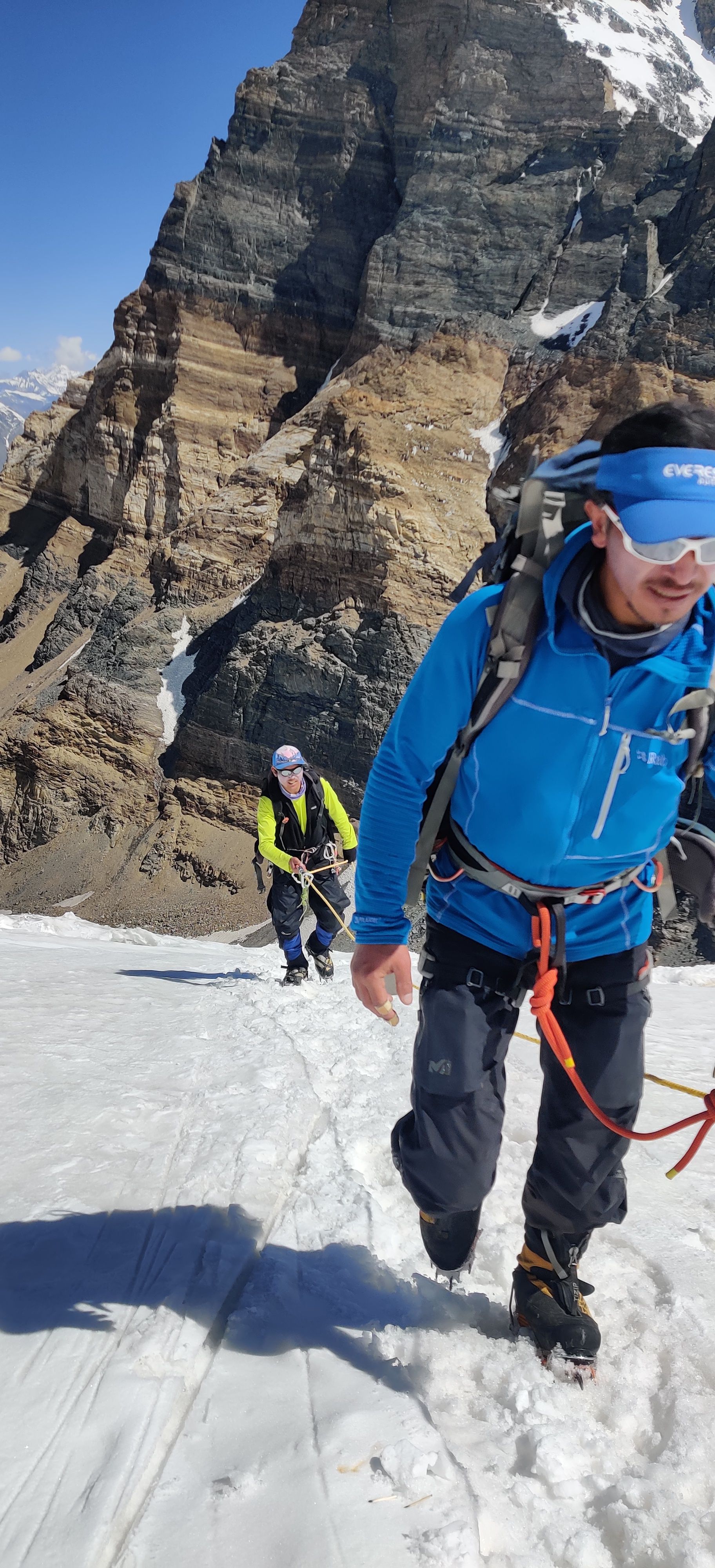
- The route involves climbing scree slopes and rocky moraines before reaching a glacier. Afterwards, we will use 250m of fixed lines to climb and negotiate crevasses. We will establish Camp 1 on a vast snow plateau.
- Camp 1 (5,500m / 18,045ft) to Camp 2 (6,100m / 20,013ft, 6+ hours)
- The route involves mixed climbing on snow, ice and rock. You will use fixed lines to reach Camp 2 on a crevassed col.
- Camp 2 (6,100m / 20,013ft) to Camp 3 (6,400m / 20,997ft, 4+ hours)
- The route involves roping up or using fixed lines to negotiate crevasses. We will climb ice slopes to reach the small plateau of Camp 1.
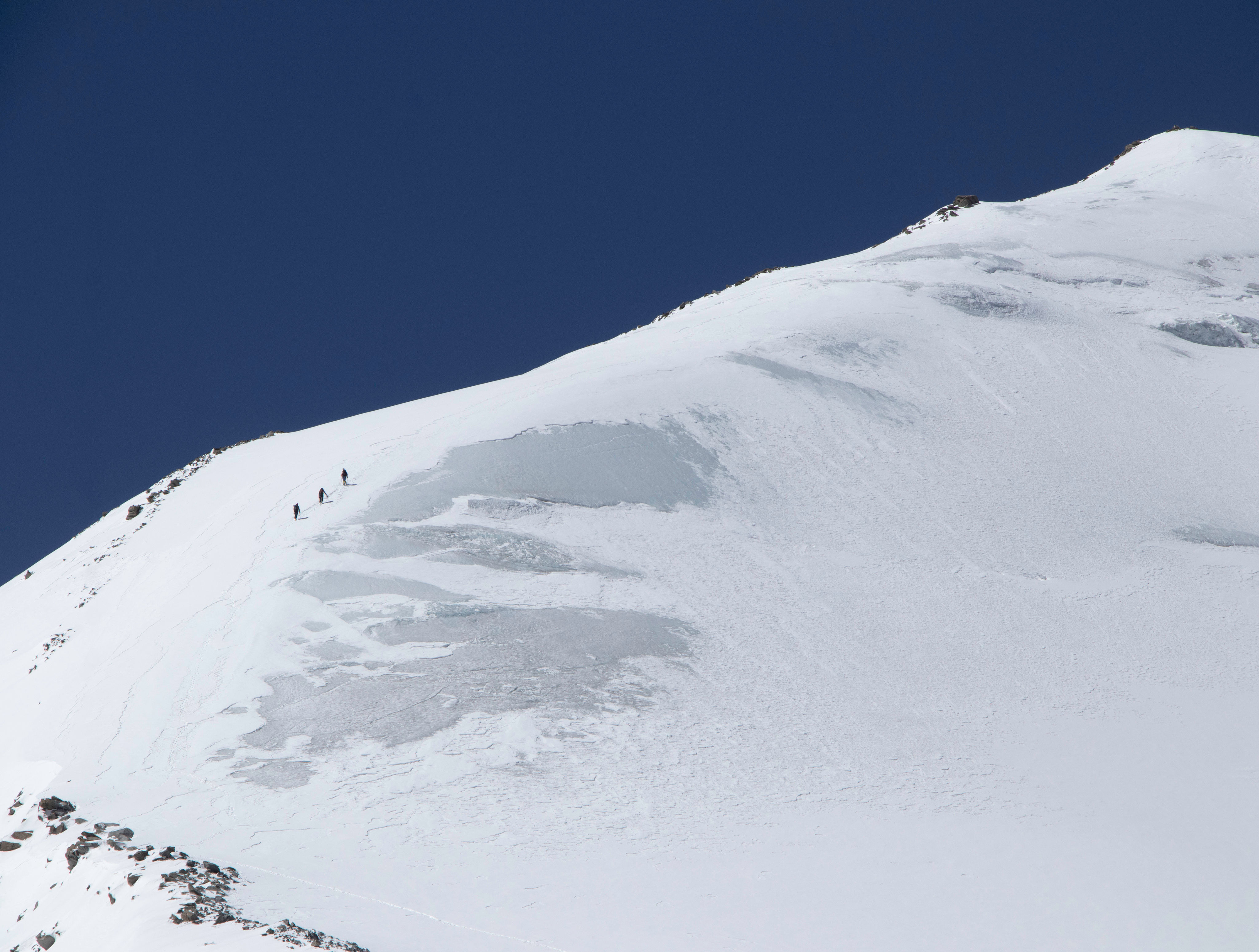
- Summit day (7,135m / 23,409ft, 10+ hours).
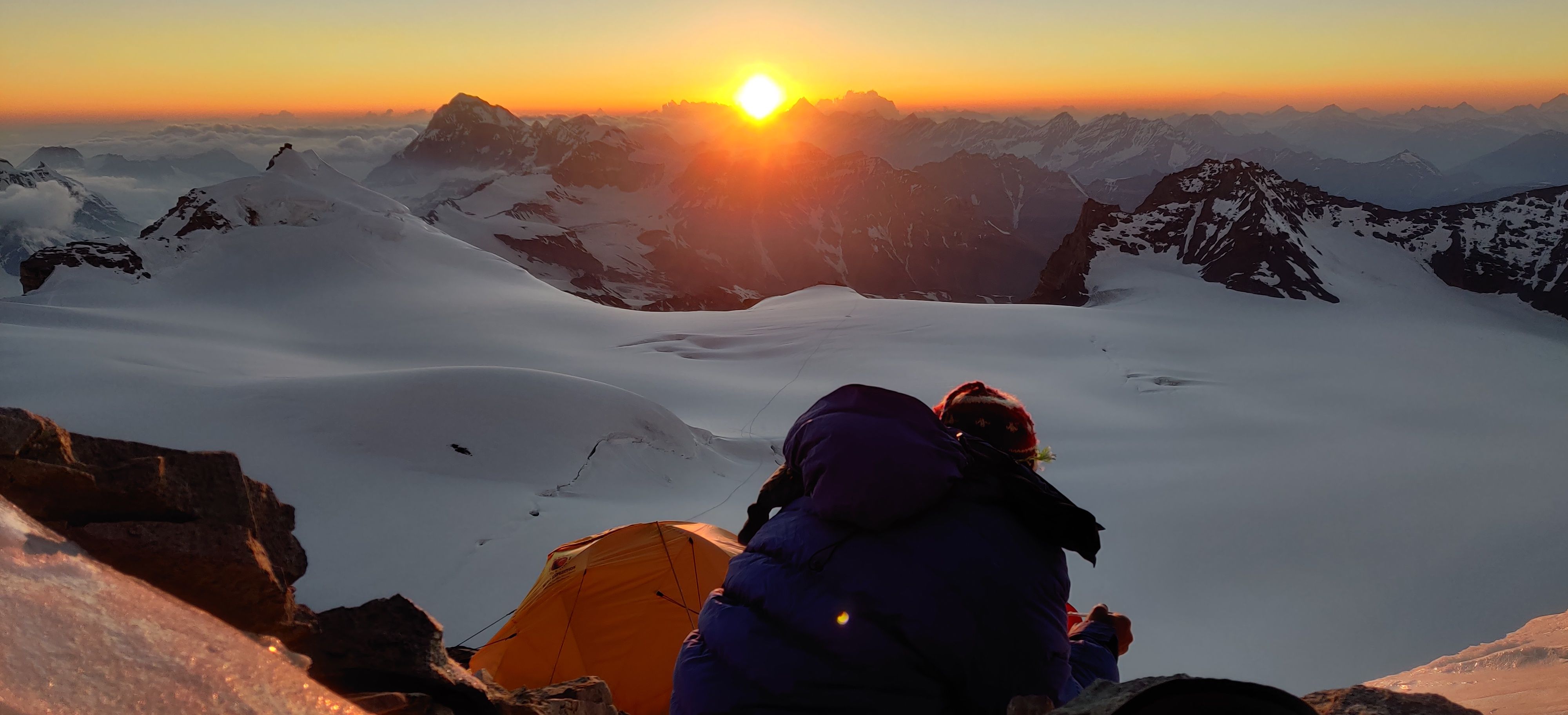
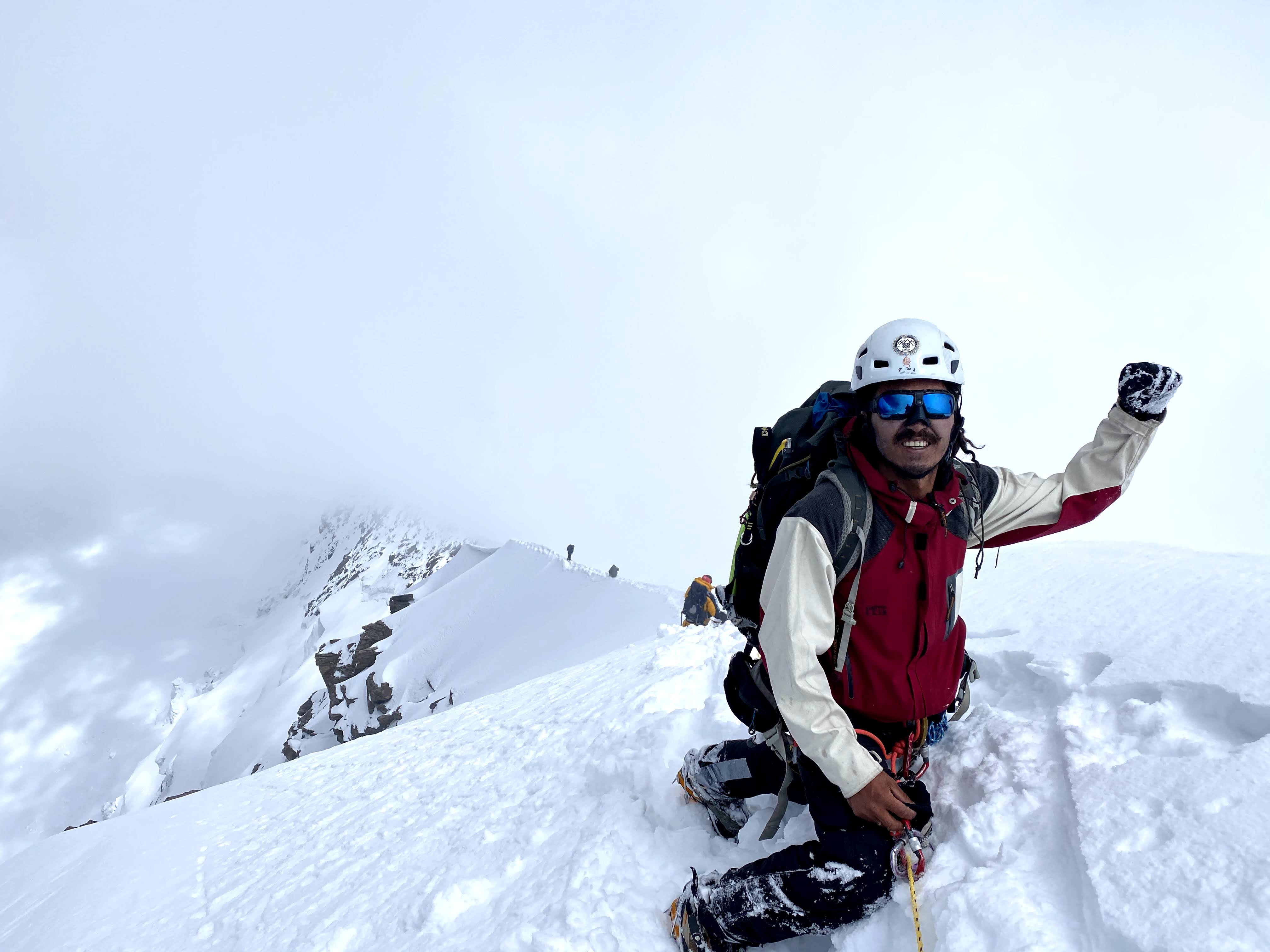
- The route involves climbing a steep slope of snow and ice and tricky rock sections below a snow arete. Again, we will be using fixed lines. The summit view is spectacular.
- After summiting, we will descend as far as possible to the lower camps – e.g. Camp 3. The next day, we will further descend to Nun Base Camp.
Climbing days (including rest days and days for contingencies)
- Please refer to the Day 13 description
Climbing days (including rest days and days for contingencies)
- Please refer to the Day 13 description
Climbing days (including rest days and days for contingencies)
- Please refer to the Day 13 description
Climbing days (including rest days and days for contingencies)
- Please refer to the Day 13 description
Climbing days (including rest days and days for contingencies)
- Please refer to the Day 13 description
Climbing days (including rest days and days for contingencies)
- Please refer to the Day 13 description
Climbing days (including rest days and days for contingencies)
- Please refer to the Day 13 description
Climbing days (including rest days and days for contingencies)
- Please refer to the Day 13 description
Climbing days (including rest days and days for contingencies)
- Please refer to the Day 13 description
Nun Base Camp (4500m / 14,763ft) to Tangol (3,700m / 12,139ft)
- Descend from Nun Base Camp and return to camp at Tangol.
Tangol - Leh (3,500m / 11,483ft)
- We will be driven from Tangol to Leh and ‘acclimatise’ to civilization again.
Leisure day in Leh town
- Enjoy Leh’s attractions and prepare for your flight out to Delhi tomorrow.
Leh - Delhi - IMF debrief
- Upon arrival in Delhi in the afternoon, we will go to the IMF for the expedition’s debriefing.
- Here, the expedition officially ends.
Is this mountaineering expedition for me?
One must note that the Expedition to Mt Nun is for experienced mountaineers and prior knowledge of the technical mountaineering techniques which includes the use of ice axes, roping up procedures, crampons etc is a must in order to climb the peak. Furthermore due to the unpredictable weather conditions and rough terrain on which you will have to navigate through during the expedition, participants must be physically fit and have high mental endurance. The Nun Expedition also helps you prepare for expeditions of 8000 M+ peaks, the challenges that you will face during the Nun Expedition helps you transition from trekking peaks to climbing summits.
Guidelines Do’s & Don'ts
- Give your body enough time to adjust to the high altitude/acclimation.
- Avoid sleeping during the day & get enough sleep at night.
- Avoid frequent smoking or drinking alcohol.
- Respect and greet the locals with Jullay (pronounced joo-lay which means Hello).
- Wear respectable outfits during your visit to sacred sites/ Monasteries.
- Kindly read the Monastery guidelines before entering a monastery.
- Ladakhi people will always be ready to help you. So, it's advisable to travel with a smile and greet Jullay.
Save the Himalayas: Follow the leave no trace policy
Majestic Ladakh proudly supports the ‘Leave no trace policy’ for our majestic Himalayas. We request you to follow the below guidelines and help us in preserving the splendid natural beauty of our country:
- Carry personal water bottles throughout the tour as locals will be always happy to provide water to refill & basically free of cost at restaurants and hotels.
- Advisable to carry a water bottle with a filter as you can refill it while travelling to any part of Ladakh.
- DZOMSA stalls are also available for refilling water bottles at just ₹7 per litre.
- Use reusable shopping bags in Leh market as plastics are totally banned in Ladakh as they are harmful to our environment.
- Do not litter. Bring back your own trash.
- Let nature’s sounds prevail; avoid loud voices and noises.
Safety during the Expedition:
- The Equipment used during the expedition is UIAA certified.
- Our Expedition Leaders are advanced mountaineering course qualified and are trained in rescue procedures from leading mountaineering institutes and certified first-aid responders.
- Local guides who will accompany the group are certified first-aid responders and the support staff are trained in 1st Aid.
- The expedition team carries Oxygen cylinders which can be used if any medical emergency arises.
What personal equipment should I carry for climbing?
List of climbing personal equipments and clothing:
- Personal sleeping bags
- Therm-a-rest / high camp mattress
- High-altitude sunglass
- Gloves
- Down-jacket
- Hard-shell
- Thermos x2 (each 1 litre)
- Warm socks for high camps (4-5 pairs)
- Camp shoe
- Climbing shoes
- Crampons
- Harness
- Helmet
- Locking carabiner x2
- Plain carabiner x2
- Cordelettes 6-7 mm cord (5 m) for self anchor and ascender
Recommended stay & food options available
- During the Mount Nun expedition, you will be staying in Moving camps.
- On a full service moving camps the support staff erects and dismantles the tents at different places selected for an overnight stay. Apart from the basic facilities such as hot water to drink, the staff also carries oxygen cylinders in case of a medical emergency at high altitudes. As the camp does not carry drinking water you will be camping close to the river/ stream where fresh running water is available for cooking.
- There will be toilet, shower and dining tent
- Stay in Leh and other cities:- Twin sharing rooms are provided.
- Single rooms can be requested for a supplement and is subject to availability
In a moving camp the breakfast, lunch and dinner will be prepared by the cook travelling with the group. Meals options are mentioned below:
● Breakfast - porridge, cereals, eggs and toast with plenty of tea, coffee or hot chocolate
● Lunch - a picnic lunch with soup, various kinds of local breads, cheese, eggs, tinned
fish, meat and fruit as per the availability.
● Afternoon snack - tea and biscuits on arrival at camp
● Dinner - usually soup, pasta, rice or potato-based main course with fresh vegetables, followed by dessert, tea, coffee or hot chocolate.
Weather in Ladakh
Generally the weather is good in Ladakh during the Summer, with warm to very hot sunny days (temperatures can reach up to 30ºC/35ºC), and cool to cold nights depending on the altitude.
- There is, however, always the possibility of rain, and snow at higher altitudes, and you should be prepared for this. Ladakh, though technically part of the Tibetan Plateau and classified as a high altitude desert, can and does occasionally experience the effects of the Indian monsoon.
What is AMS?
Acute mountain sickness (AMS), is the negative health effect of high altitude, caused by rapid exposure to low amounts of oxygen at high elevation. Symptoms may include headaches, vomiting, tiredness, trouble sleeping, and dizziness.
How to avoid AMS?
- Give your body enough time to adjust to the high altitude/acclimation
- Get enough sleep and eat healthy food
- Avoid smoking or drinking alcohol
If you suffer from any respiratory or health-related issues, please let the tour guide know before the start of the tour.
How is the mobile connectivity in Ladakh?
Only Jammu & Kashmir and Ladakh registered pre-paid sims are serviceable in Ladakh. The following services providers/services are active in Ladakh:
- Airtel: Postpaid service
- Jio: Postpaid & pre on post-service
- BSNL: Postpaid service
You can buy and activate a new sim in Leh.
What things should I carry for the trip?
Following are the list of essentials that you should carry:
- Medicines such as Diamox, Aspirin/ Disprin, Candy bars
- Warm clothes and Thermals
- Sunglasses, sunhat & sunscreen
- Torch and power banks
- Water-bottles
- Backpack for Extra Luggage
- Warmer layers for the late August/September trips
- Soft kitbag for camping - please note that this trip is camping. A large, hard, wheeled suitcase is not recommended for camping. We suggest you bring a Sift kit bag.
How are the restaurants in Leh?
You can find plenty of restaurants in Leh serving Ladakhi, Indian, Kashmiri, Tibetan, Korean, Italian and continental food. There are always plenty of choices for both vegetarians and meat-eaters. Please keep about £70-100 (US $110-160) for food.
Do try the Ladakhi cuisine like vegetable momos or thukpa during your time in Leh!